
IT Web
Il y a 10 heures
SA AI platform earns global recognition
BioInformatiCo's Leova platform placed second in a global AI challenge for automating clinical trial database testing.
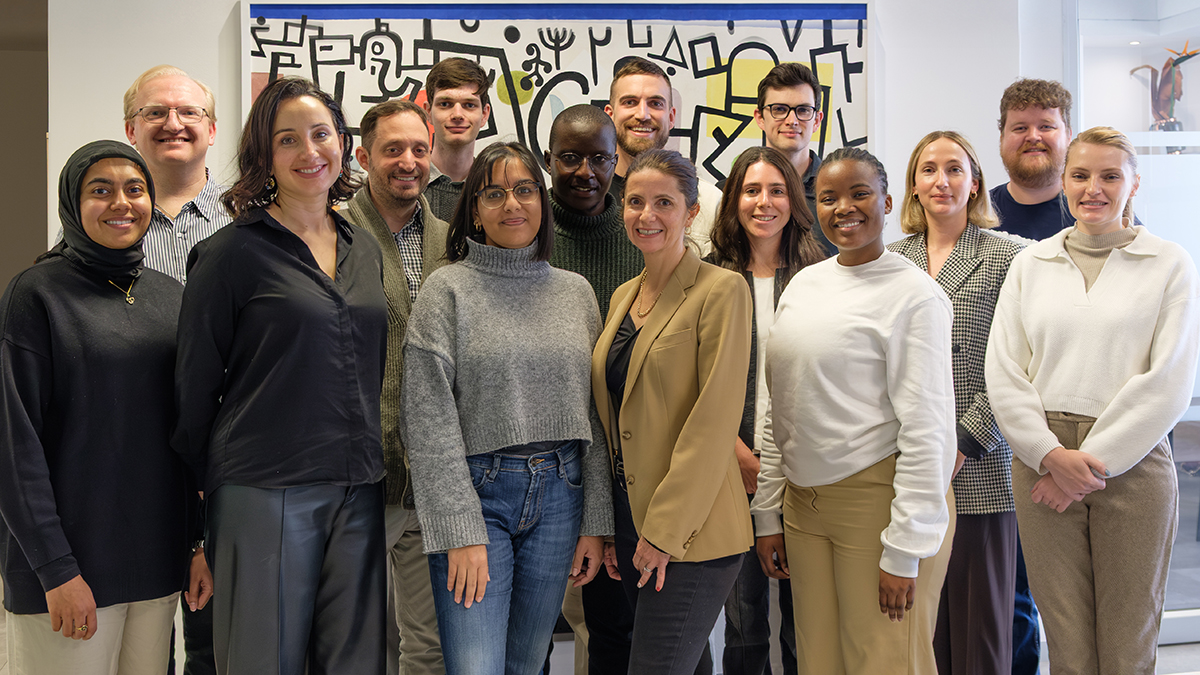
Shirley Collie, founder and CEO of BioInformatiCo, with the BioInformatiCo team. (Photograph supplied)
South African-developed artificial intelligence (AI) platform Leova has placed second in an international innovation challenge, demonstrating its potential to reduce the time required to prepare clinical trial databases for medicines and vaccines.
Developed by Johannesburg-based clinical data management organisation BioInformatiCo, Leova automates aspects of clinical trial database development and testing, helping researchers identify errors before studies begin.
The platform placed second among 19 entries in Use Case 1 of the 2026 CDISC AI Innovation Challenge, which focused on using AI-generated synthetic data to automate software testing.
R101m UCT project brings AI microscopy to Africa
UCT researcher secures global grant to test AI solutions
The competition, organised by the Clinical Data Interchange Standards Consortium (CDISC), attracted 50 submissions from 30 organisations and individual entrants.
Shirley Collie, founder and CEO of BioInformatiCo, says the result demonstrates the potential of African-developed technology to address global research challenges.
“Placing second in the CDISC AI Innovation Challenge is an important endorsement of what we have built. It shows that technology developed in Africa can help tackle challenges in clinical research worldwide, while supporting the continent’s ability to generate evidence that reflects the health needs of its own populations,” says Collie.
Novartis, in collaboration with Amazon Web Services, were the overall winners of the challenge under the Use Case 1 category.
The other organisations listed as entrants alongside BioInformatiCo were: AI Lens SA, Appsilon, CARE2DATA, Daiichi Sankyo and EMD Serono.
Leova uses a study protocol to draft data collection forms and validation rules, build the database and test it with simulated participants designed to expose weaknesses in those rules.
“Before a new medicine or vaccine can reach patients, clinical trials must establish whether it is safe and effective. But before the first participant can enrol, researchers need reliable systems to collect and manage the study data. Building and validating these databases can take 10 to 20 weeks of specialist work, with each system tailored to the trial’s specific research protocol. Errors at this stage can compromise data quality, create costly rework and delay the trial,” adds Collie.
BioInformatiCo developed the platform through its clinical research operations. The company supports research ranging from first-in-human studies, to phase three vaccine trials involving HIV, tuberculosis, Ebola and COVID-19.
The technology comes amid funding pressures affecting South African health programmes and medical research following US funding cuts.
HIV programmes, clinical studies and research infrastructure have been affected, while universities and research organisations face funding shortfalls and uncertainty over grants.
According to Collie, automation could help researchers stretch limited budgets by reducing repetitive technical work, although it cannot replace sustainable funding or specialist expertise.
“Leova was born out of a real operational need. We understand the pressure clinical research teams face to deliver reliable data, meet demanding standards and make every rand count. While automation cannot replace sustainable funding or specialist expertise, it can help research teams work more efficiently, while maintaining the quality and reliability of clinical data,” adds Collie.
BioInformatiCo combines Leova with specialist clinical data management services and human oversight. In one study, the platform reduced database testing and validation from five days of specialist effort to one.
It supports clinical trials across Sub-Saharan Africa and is expanding internationally, with a US site launching soon and sponsor discussions underway in Europe and Australia.
The company says it plans to open a seed funding round in the coming months to support Leova’s development and commercial growth.
CDISC develops standards that support consistent clinical research data collection, exchange and submission, including for regulatory review by the US Food and Drug Administration.
We modernise Data Platforms, optimise Database Performance, and ensure seamless Azure integration for the world’s most data-driven businesses.
SevenC provides bespoke managed IT and cybersecurity for SMEs, combining strategic design, proactive monitoring, and always-on 24/7 support to keep your business secure and operational.
Click here for your Data Quality Blueprint
Publié le 20 octobre 2026
Source originale : IT Web